|
| Home |
About
Ken |
Blog |
Books |
Media
& Press |
STORE | Archive |
| "I have spent
my life tracking down the murderers of yesterday. Mr.
Timmerman is tracking down the murderers of tomorrow."
-- Simon Wiesenthal 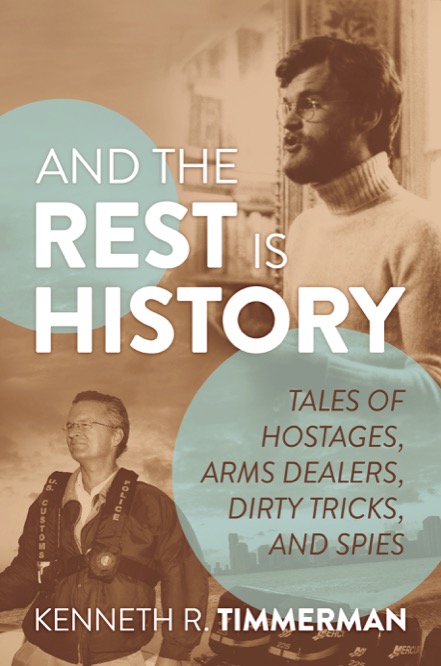 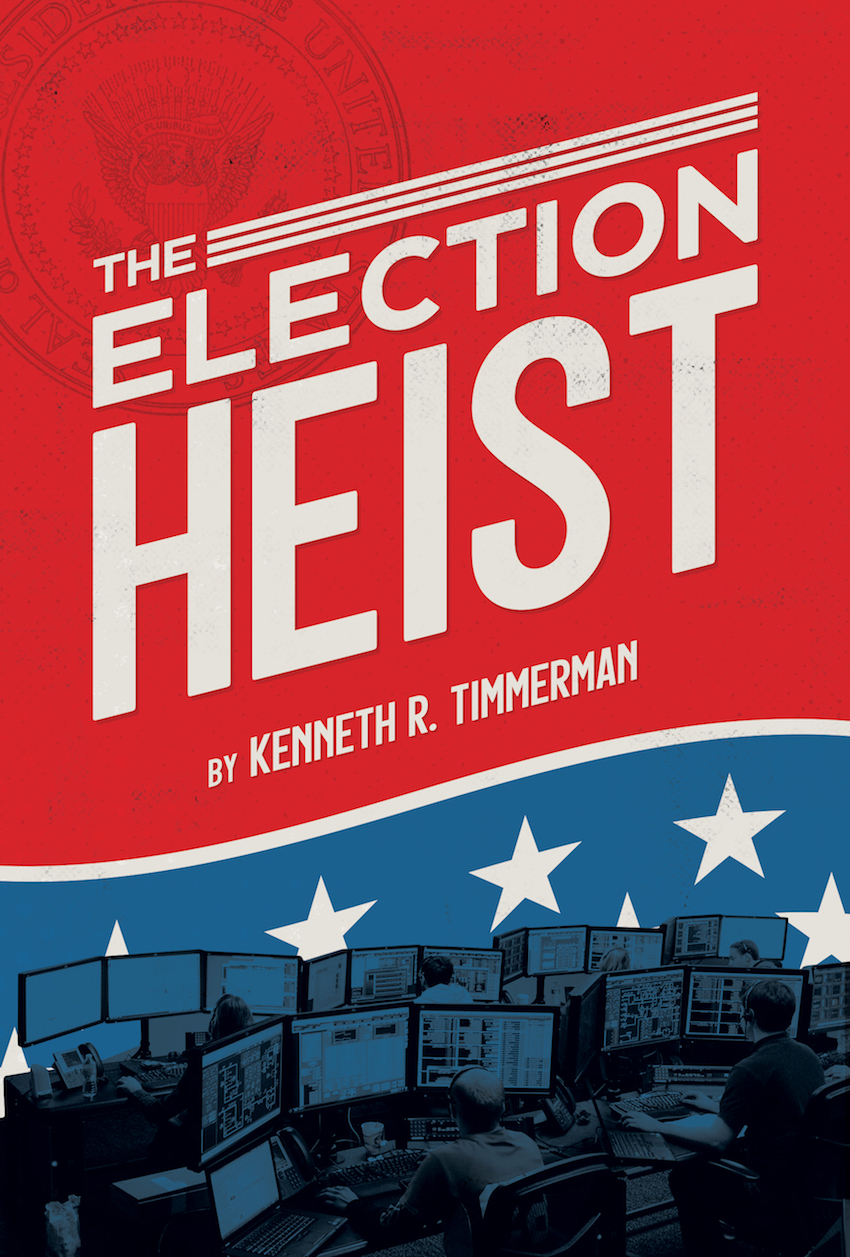 Don't forget to subscribe to my YouTube channel 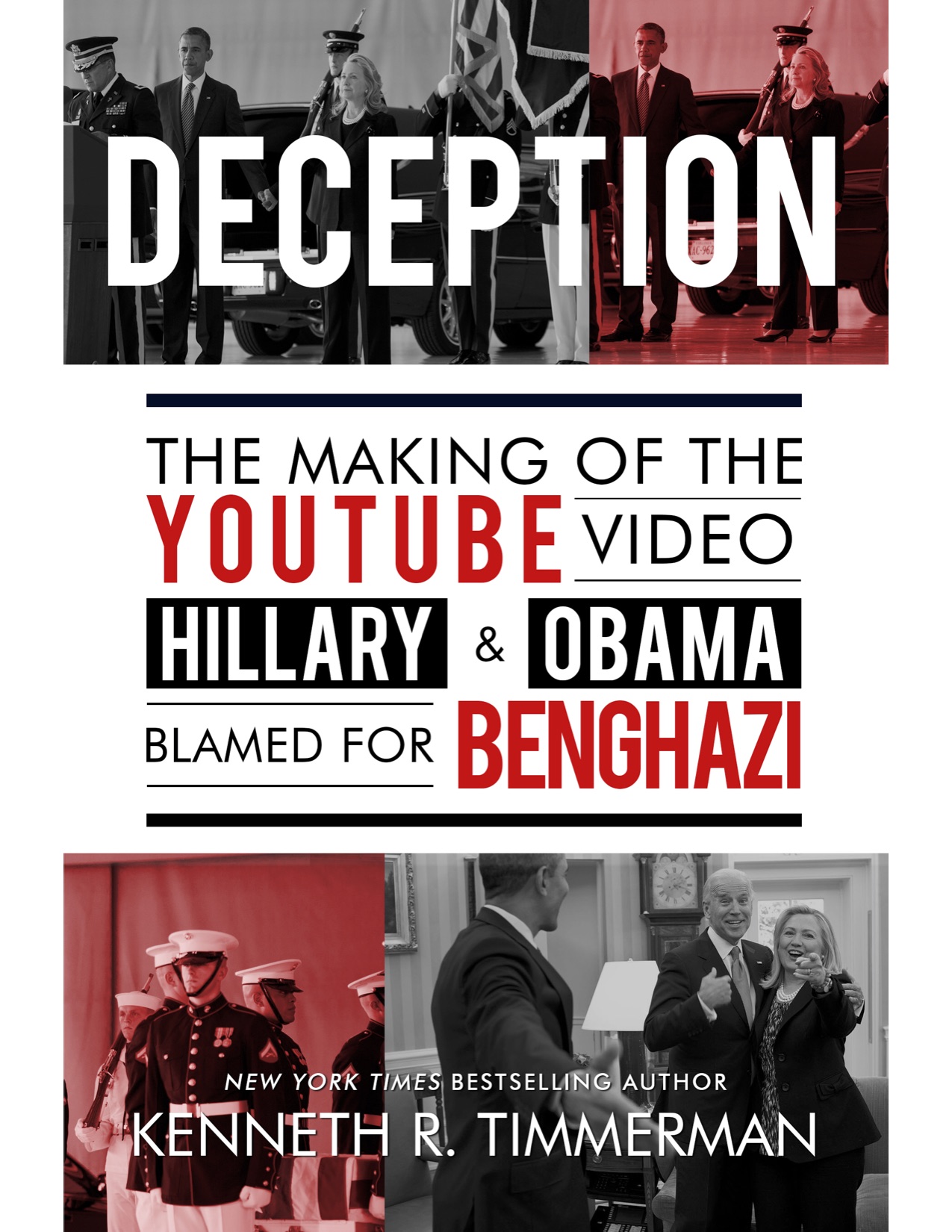 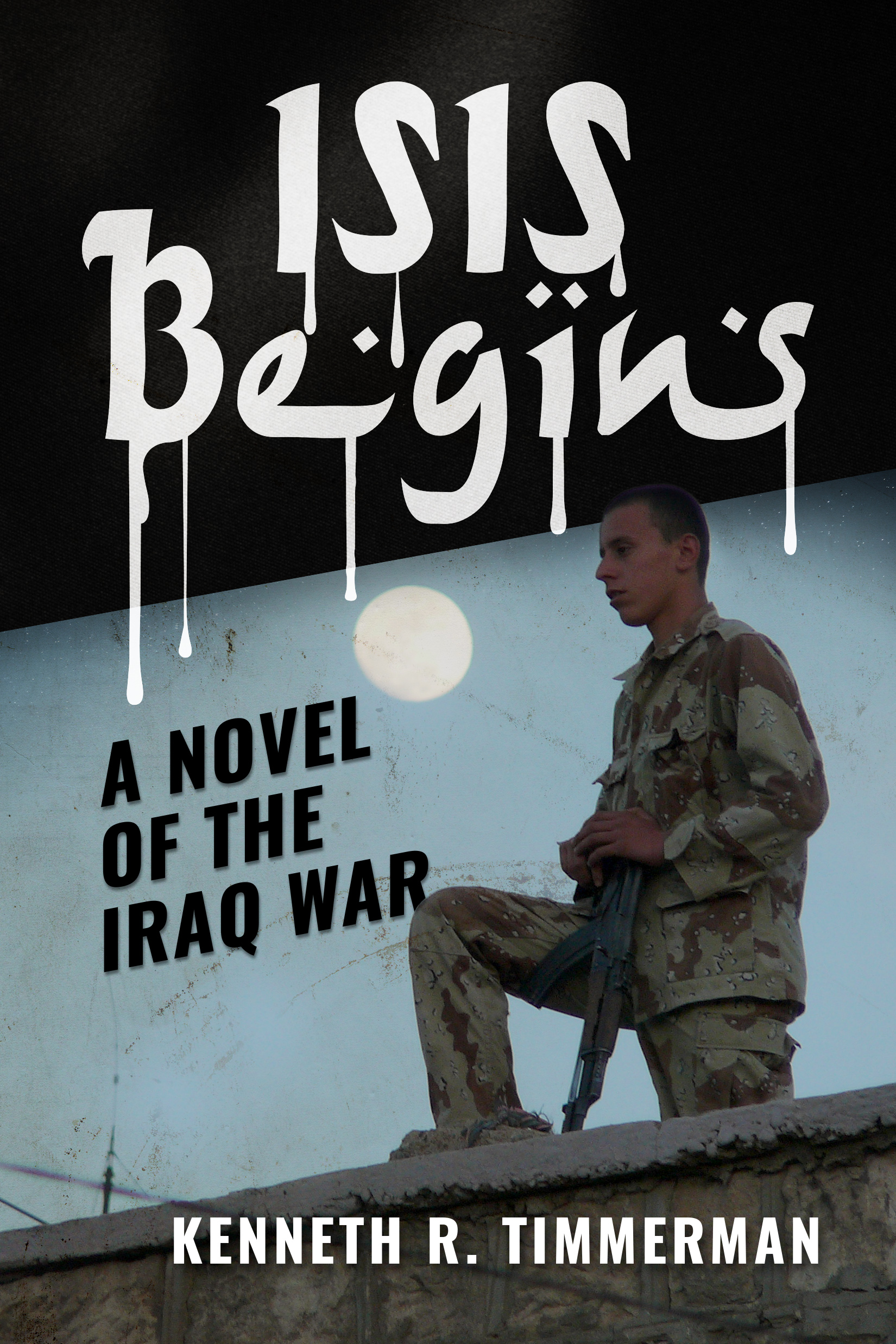 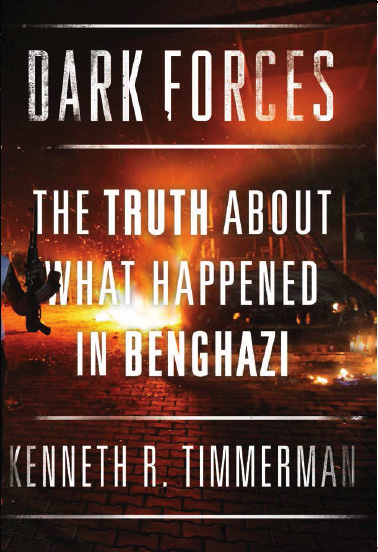 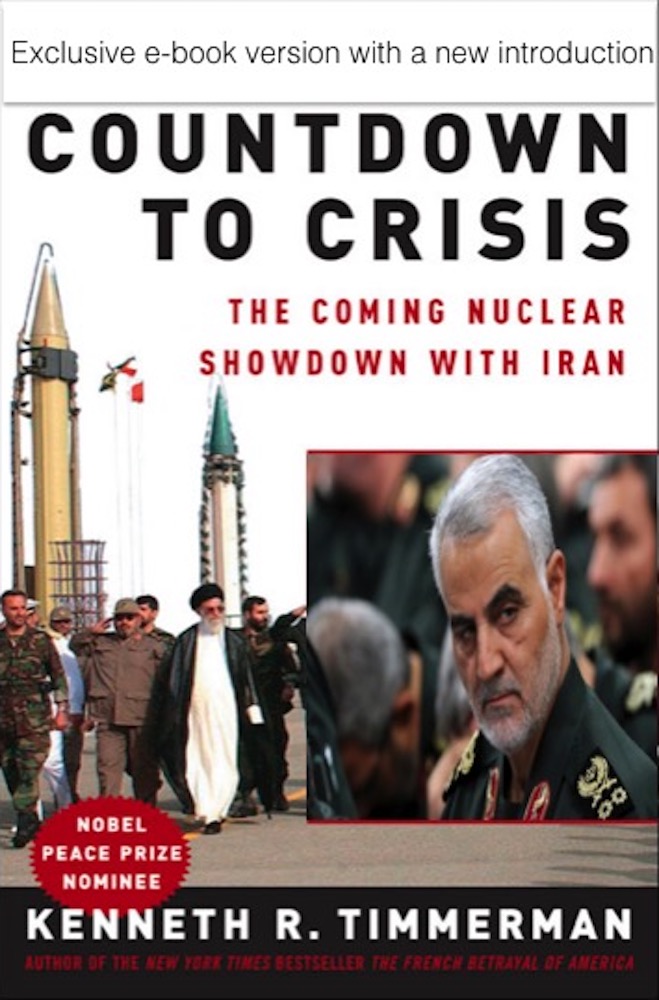  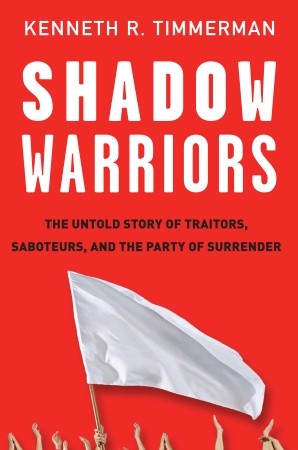 |
About
Kenneth R. Timmerman
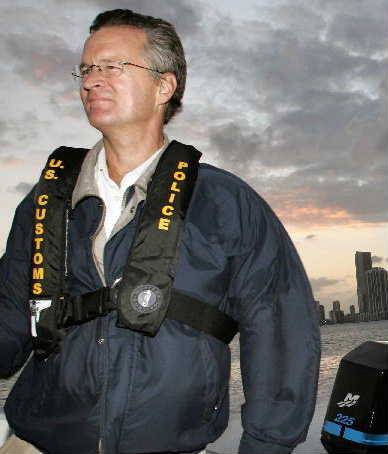 Best-selling author Kenneth R.
Timmerman has spent his career investigating the dark side
of national security. Best-selling author Kenneth R.
Timmerman has spent his career investigating the dark side
of national security. Over the past four decades he has interviewed dissidents behind the Iron Curtain, covered numerous Middle East wars, interviewed suicide bombers, debriefed defectors from Iranian intelligence organizatons, and covered the plight of Christians persecuted for their faith. You can read about these real life adventure stories and much more in his 12th book of non-fiction, And the Rest is History: Tales of Hostages, Arms Dealers, Dirty Tricks, and Spies. Click here for a 1-page PDF bio. His 2014 Benghazi book, Dark Forces: the Truth About What Happened in Benghazi, rips apart the spin and the lies surrounding the Sept. 11, 2012 attacks that cost the lives of four brave Americans. "If you want to know what the Obama Administration does not want you to know about Benghazi, then Dark Forces is a must read," writes Richard F. (Dick) Brauer Jr., Col. USAF (Ret), Founder, Special Operations Speaks. In his follow-on book, Deception: The Making of the YouTube Video Hillary and Obama Blamed for Benghazi, Ken reveals for the first time how the Obama administration manipulated Google and social media to promote the video to distract voters and the media from their deadly dereliction of duty during the Benghazi attacks. Ken also writes political thrillers that combine complex characters and page-turning plots with extensive research on sensitive subjects that might otherwise go unreported or that critics might find hard to believe. His latest, The Election Heist, describes how Democrat operatives conspire to steal the 2020 election, and draws on his experience as the Republican nominee for Maryland's 8th Congressional District in 2012. When he interviewed Ken after the 2020 election, Newsmax TV host Grant Stinchfield called him the "guy who literally wrote the book on stolen elections." You can find Ken's many TV interviews on the 2020 election on his YouTube channel. Ken's 2007 book, Shadow Warriors: Traitors, Saboteurs, and the Party of Surrender, exposes a secret intelligence war, fought not against our enemies abroad, but by partisan bureaucrats and their allies in Congress and the media against a sitting United States president. Rush Limbaugh called the book "fabulous," and devoted five full pages of his monthly newsletter to it. Shadow Warriors was the first exposé of what President Trump and others have called "The Deep State." 
For his work in exposing the Islamic Republic of Iran's nuclear weapons program, he was nominated for the 2006 Nobel Peace Prize by former Swedish deputy Prime Minister Per Ahlmark. To raise awareness of the threat from the Islamic regime
in Iran, and the potentially tragic gaps in U.S.
intelligence in spotting and tracking these threats, he
wrote Honor
Killing, a sizzling thriller set on the
next battlefield in the war on terror, which has been
featured by national talk radio hosts Laura Ingraham,
Michael Reagan, Frank Gaffney, and others. Honor Killing
tells the story of how Iranian terrorists bring a nuclear
weapon into the United States under the noses of U.S. law
enforcement and intelligence watchers, blinded by
political correctness to the threats from a Fifth Column
of Muslim immigrants. It also provides stunning insight,
based on Ken's first-hand knowledge, into the minds of the
Iranian leaders who want to kill us. In 1998, he tracked renegade Saudi
financier
Osama Bin Ladin and his international terrorist
network halfway across the globe for Reader's Digest,
publishing his expose on the then-unknown Saudi just weeks
before he attacked two U.S. embassies in Africa. (Bin
Laden was so obscure at the time that the Digest couldn't
even find a photograph of him, using an artist's sketch
instead). Over the past 30 years, he has revealed how failed U.S. policies have helped create new threats to our nation from Russia, China, and Iran His book on Iran, Countdown to
Crisis: the Coming Nuclear Showdown in Iran, was
acclaimed by former Secretary of the Navy John Lehman, a
member of the 9/11 Commission and tells the story of
Iran's involvement in the 9/11 plot based on eye-witness
evidence from Iranian defectors. It is now available in an inexpensive Kindle
edition. In April 1983, he was the first U.S. correspondent on
scene when the U.S. Embassy in Lebanon was blown up by
Islamic militants.
A ground-making study on the unconventional weapons
programs of Iran, Libya, and Syria, commissioned by the
Simon Wiesenthal Center in 1992, won applause from
Democrats and Republicans alike.
After the first Gulf War, Timmerman assisted a veterans group in a class action lawsuit against the German companies who helped build Saddam Hussein's deadly chemical weapons, which may have contributed to Persian Gulf War Syndrome. Today, he is helping families of the victims of the
September 11 attacks prepare a class action law During this time, he also has worked to strengthen
America's greatest export of all: democracy both as a
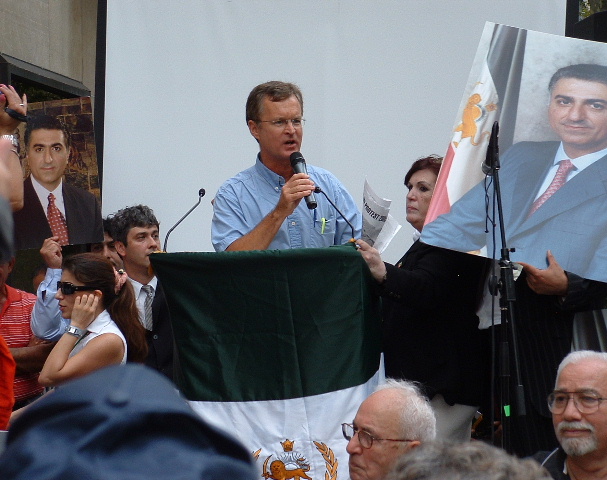
Congressional aid and a human rights activist. In 1995, along with Peter Rodman, Joshua Muravchik, and a
group of Iranian patriots, he established the Foundation for Democracy in
Iran (FDI). The Foundation has served as a rallying point for Iranian
democrats seeking an end to brutal, clerical rule in Iran,
and has helped keep Congress and the public informed of
ongoing repression and support for terrorism by Iranian
"moderates" as well as hard-liners led by the
Supreme Leader, President Rouhani, and the IRGC's Qods
Force. Ken has also been in the forfront of warning
Congress and the public of the dangers of an unofficial pro-Tehran
lobby here in the United States.
Ken has has traveled far and wide to meet with Iranian
dissidents, and to encourage them in their efforts to
bring freedom to their troubled land. He is reputed to have interviewed more defectors from
Iranian intelligence services than any living member
of the U.S. intelligence community, and has helped protect
dissidents from deportation back to Iran, where they
would face certain
arrest. Countdown
to Crisis
has been used as part of the Iran course material by the
Pentagon's Joint Counter Intelligence Training Academy
(JCITA). Timmerman's work as an investigative reporter has won
consistent praise for its accuracy and courage. Many of
the stories about the Clinton administration's
high-technology giveaway to Communist China started
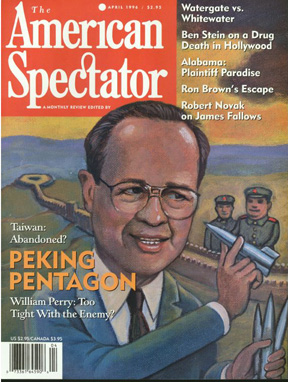
with pieces he wrote for The American Spectator, including
an expose of influence peddling in the Pentagon under He has presented his findings before Congress in public testimony and in Special
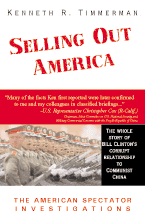
Reports commissioned by various committees. "Many of the
facts Ken first reported were confirmed to me and my
colleagues in classified briefings,"wrote Rep. Christopher Cox,
chairman of the Select Committee
on U.S. National Security and Military Commercial
Concerns with the People's Republic of China, in a
preface to Ken's book on Chinagate, Selling Out America. The blue ribbon Commission To Assess the Ballistic Missile Threat to the United States (the Rumsfeld Commission) incorporated many of his suggestions in its final report in April 1998, which concluded it was in America's interest to deploy a national missile defense. Since 1987, Timmerman has operated Middle East Data
Project, Inc., a small business that has provided
investigative support and policy guidance to government
agencies and private companies on three continents. He has served as an expert witness in more than a dozen
international lawsuits and government prosecutions
involving terrorism Timmerman has briefed a wide variety of U.S. government
agencies on issues relating to Iran, including the Defense
Intelligence Agency, the Department of Energy, the U.S.
Army War College, the Lawrence Livermore National Nuclear
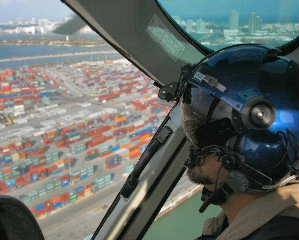
Laboratory, as well as many members of C As a contributing editor for Newsmax Media, he examined new security measures at U.S. ports in the fall of 2005.
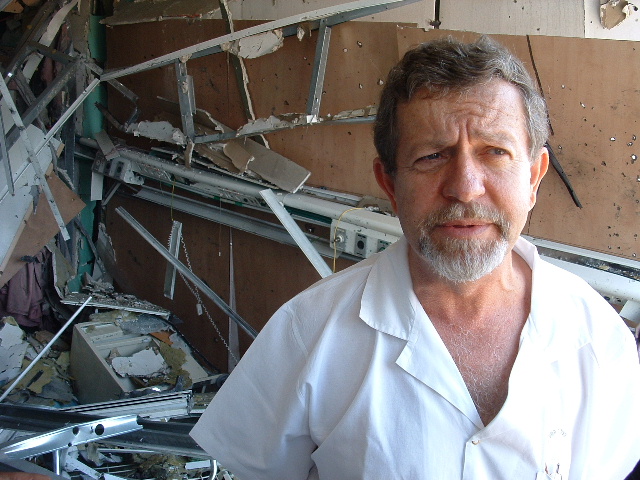
In the summer of 2006, returned to northern Israel to report on the 2nd Lebanon war, where he witnessed the evacuation of virtually the entire northern third of israel under Hezbollah rocket fire, and the destruction of Israeli towns. villages, forests, and hospitals.
Over the
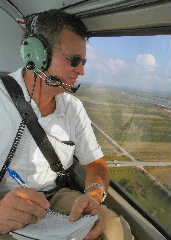
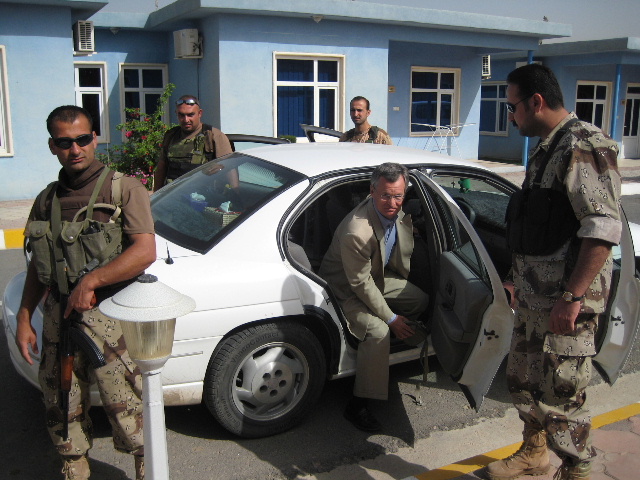
past fifteen years he has made multiple trips to Jordan,
Lebanon, and Iraq to report on the plight of Iraqi
Christian refugees. In addition to his news and commentary
articles on the
persecuted church, he has briefed Congress, human rights
groups, and churches on his findings. His 2018 book, ISIS BEGINS, a novel of
the Iraq War, draws heavily from these most
recent trips. He and his wife split their time between Florida, Sweden,
and the south of France. They have five children and six
grandchildren. - 2012 Defender of Israel award from Christians’ Israel Public Action Campaign - 2011: International Community Service award from the Hope for Tomorrow Foundation for work on Iran; - 2011: Reed Irvine Investigative Reporting award from Accuracy in Media for lifetime achievement. - 2006: Nominated for Nobel Peace prize by former deputy prime minister of Sweden, Per Ahlmark. - 2004: US Business and Industry Council Education Foundation National Security award - 2003: Media fellowship, Hoover Institution - 1987: Certosa di Padua “Joe Petrosino” award for investigative reporting.
|
0 |
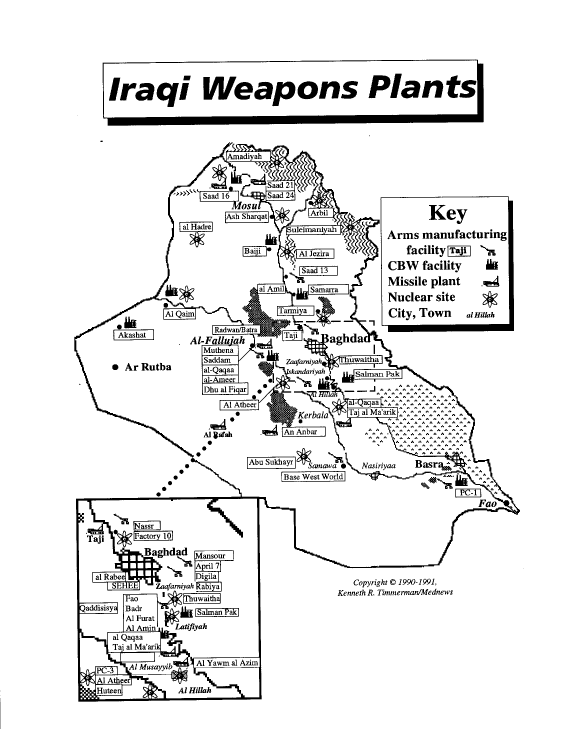
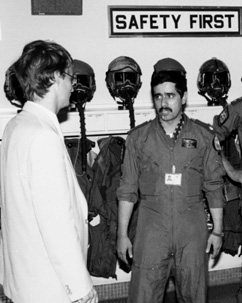 During the later
half of the 1980s, he covered the Iran-Iraq war, gaining
first-hand knowledge of Iraq's deadly weapons buildup. His
third book,
During the later
half of the 1980s, he covered the Iran-Iraq war, gaining
first-hand knowledge of Iraq's deadly weapons buildup. His
third book, 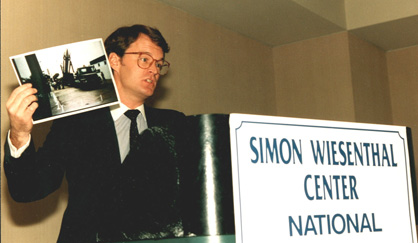 In presenting the report to the public,
famed Nazi hunter
In presenting the report to the public,
famed Nazi hunter 
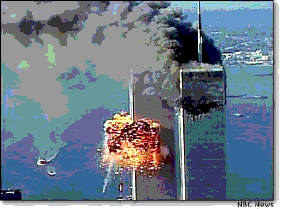 suit against the
government of the Islamic Republic of Iran, because of
suit against the
government of the Islamic Republic of Iran, because of